
Aspen
720 East Durant Avenue
Unit E5
Aspen, Colorado 81611
+1 970 920 9428
info@studiobarchitects.com
Before a palette is studied, before a detail is drawn, a project is already taking shape.
Not through finishes, but through orientation.
Where the building sits.
How it turns.
What it opens to, and what it protects against.
These decisions define how light enters, how air moves, and how the architecture meets the land.
In that sense, orientation is the first material.
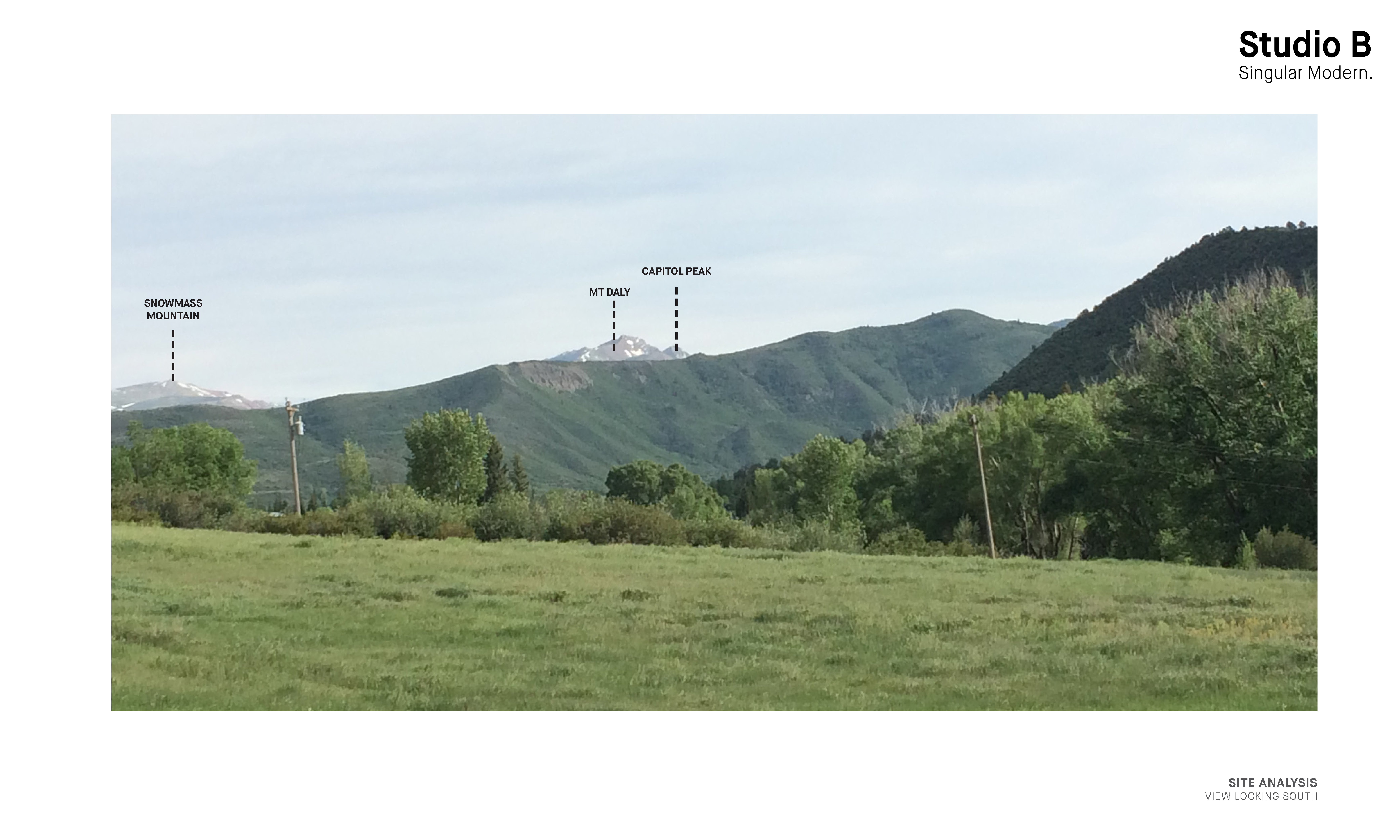
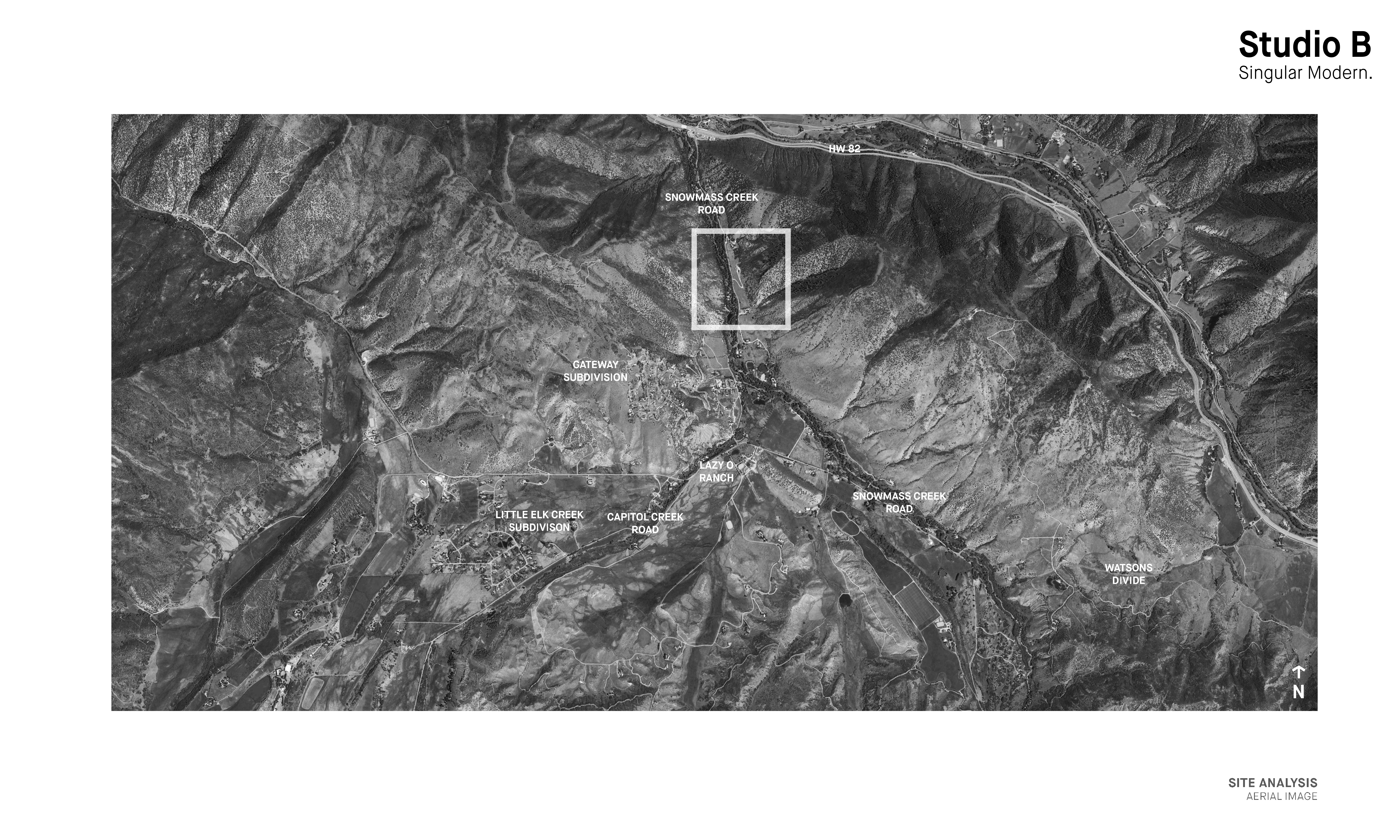
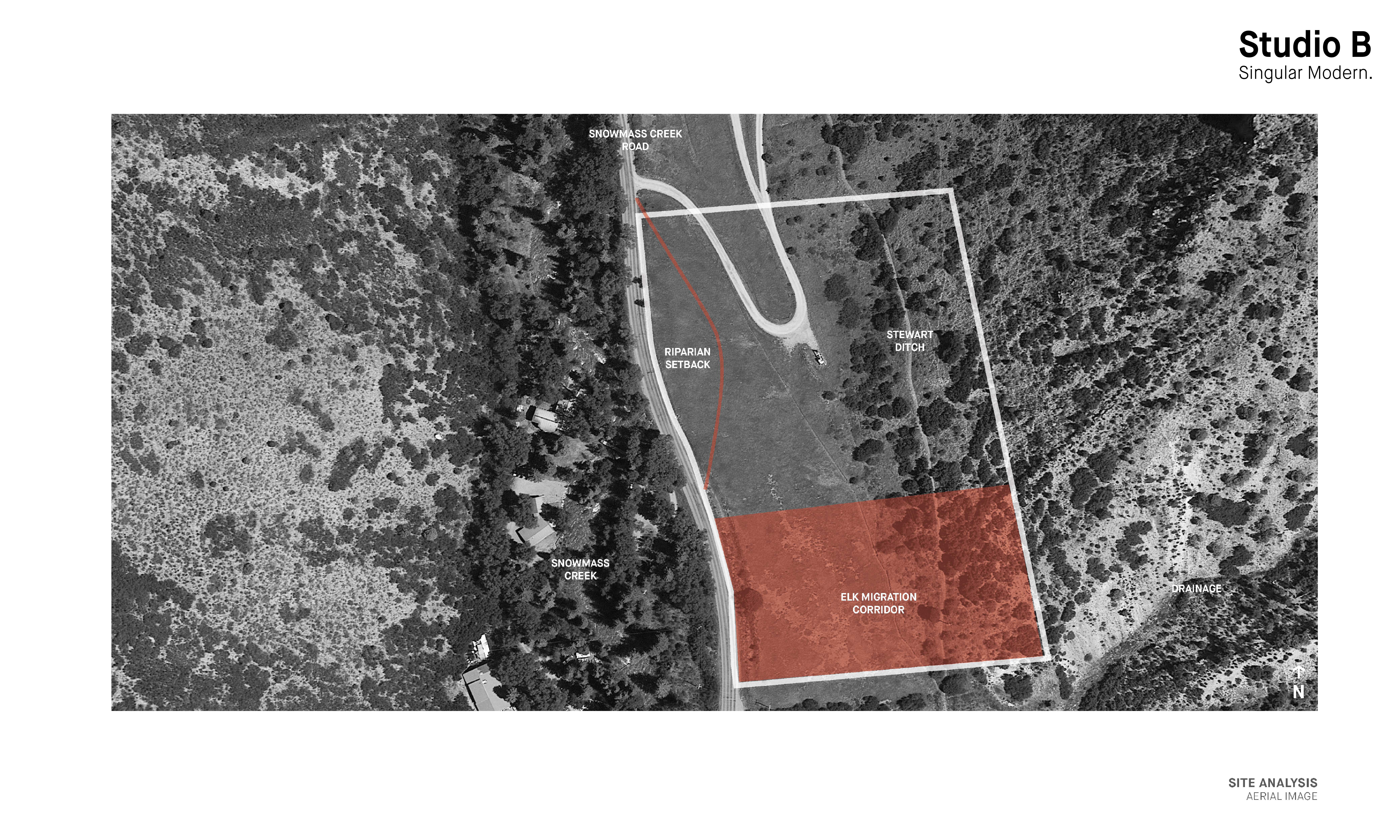
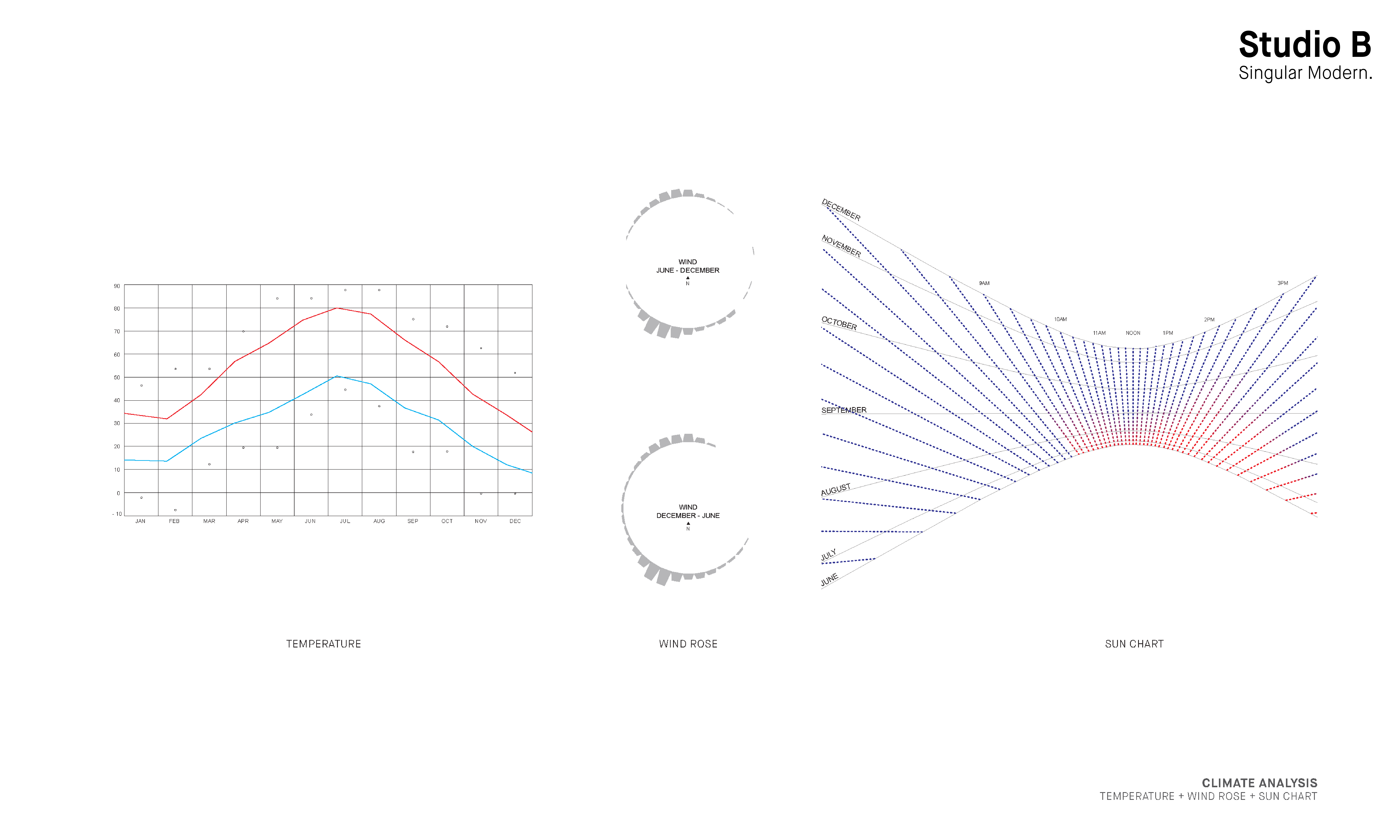
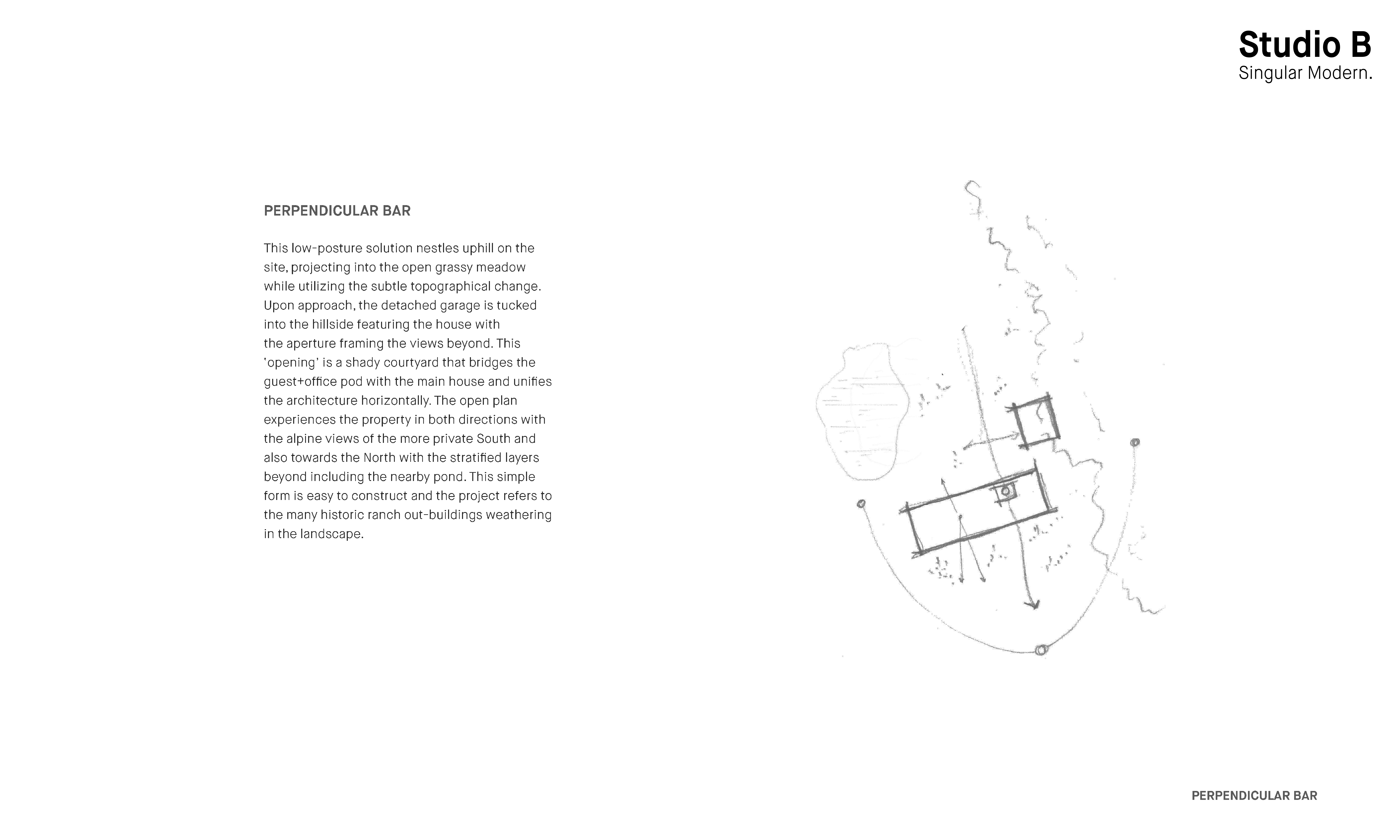
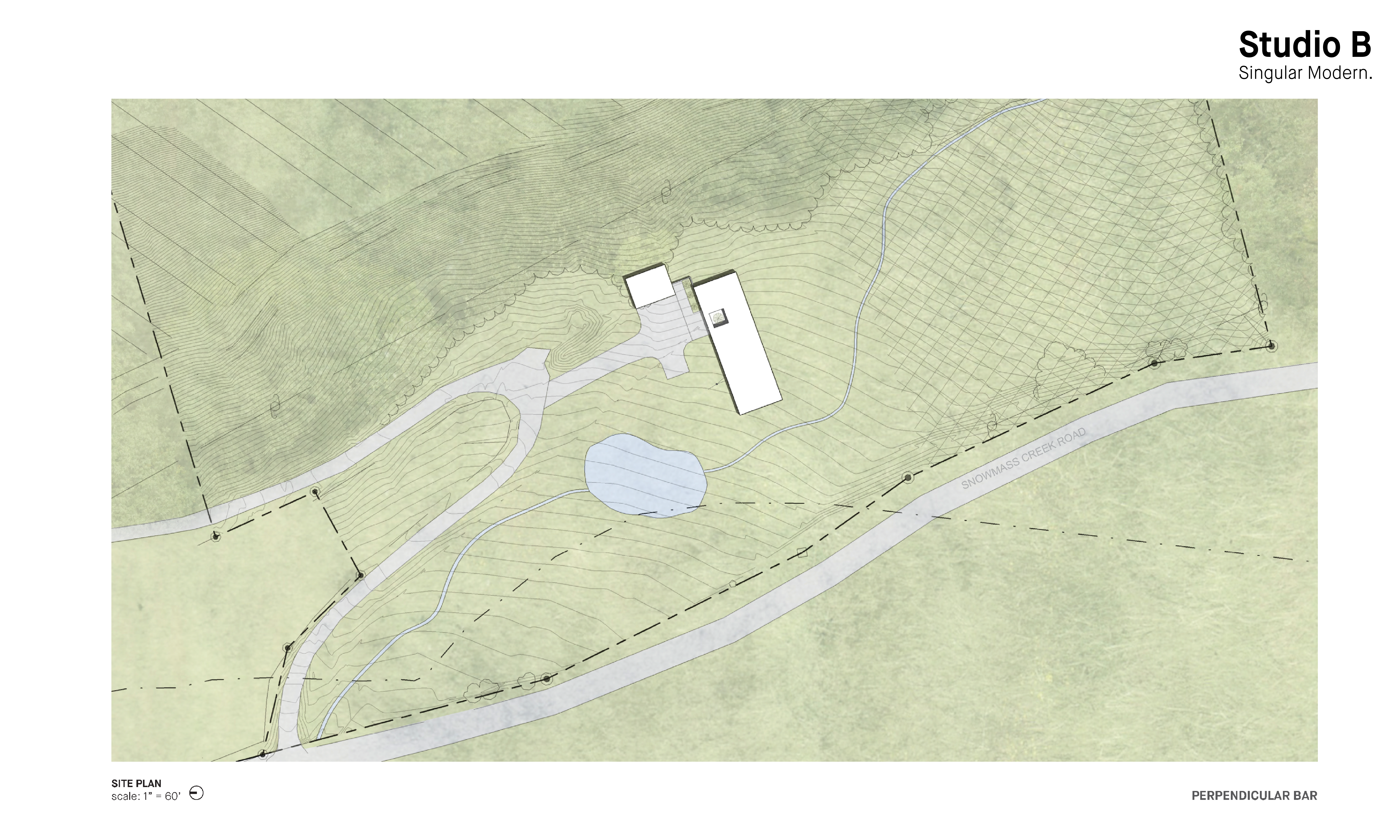
At Snowmass Creek, the site reveals its constraints immediately.
Sun angles shift across seasons.
Winds move consistently from one direction.
Views expand in some directions and compress in others.
The work begins by understanding these conditions, not resisting them.
“The best ideas emerge when someone opens up about how they want to live, and the design begins to grow around that.” - Loryn Lewis
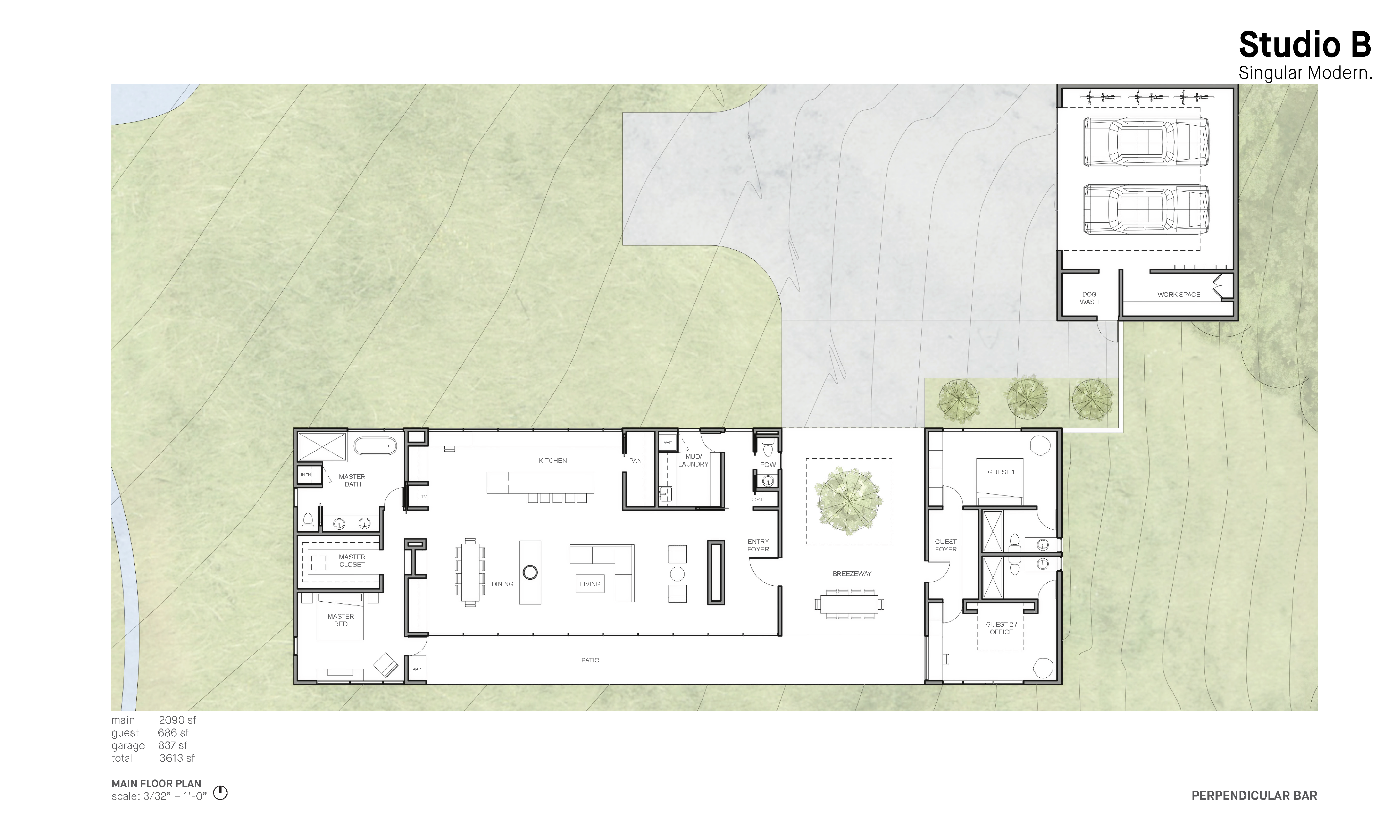
Courtyards are not added later; they are carved out early, shaping how light and air are brought into the center of the home.
Openings are placed with intention. Some invite light. Others filter it. Some frame distance. Others create privacy.
Before materials are considered, the architecture is already responding.
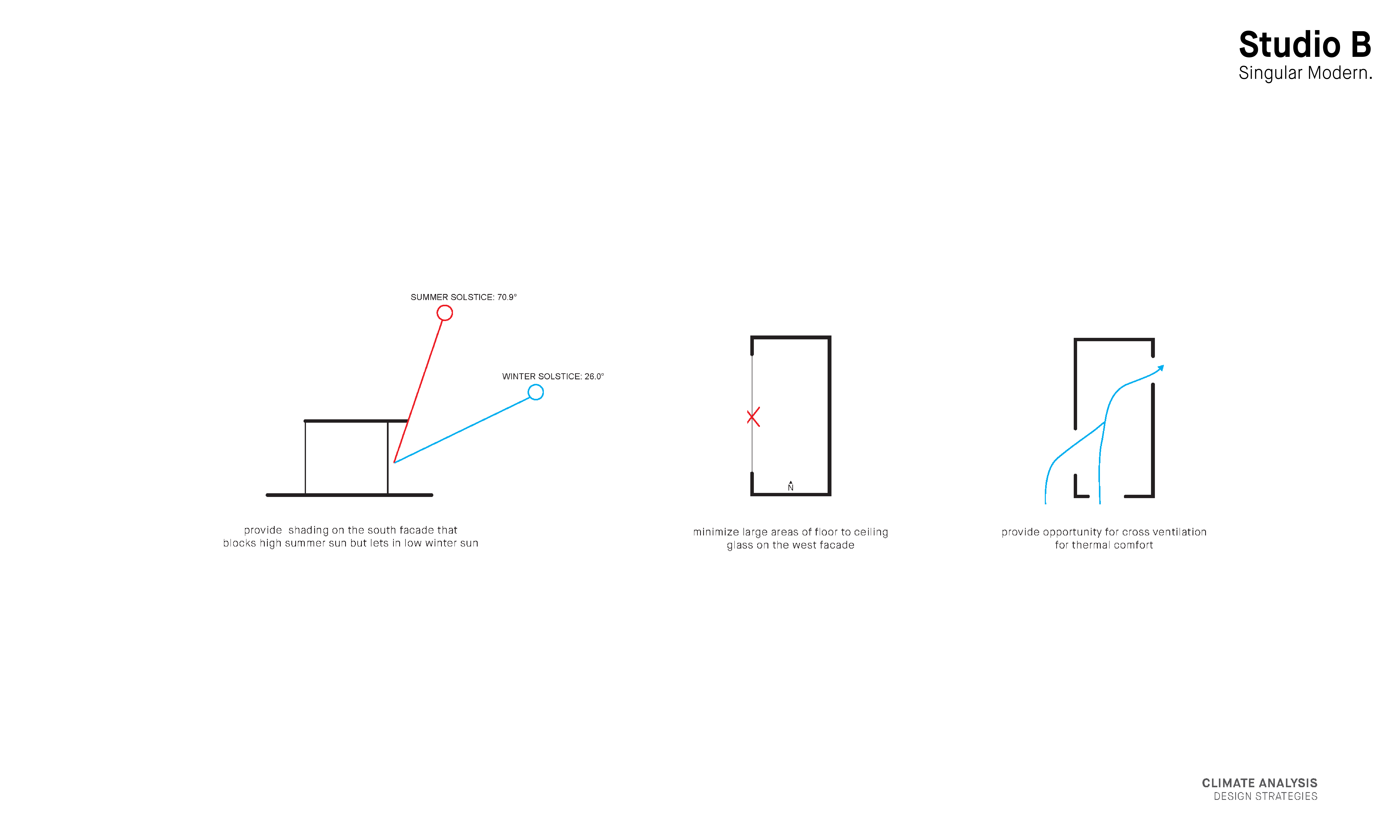
Once the building is placed, the section becomes the tool for shaping light.
A roofline extends just enough to block the high summer sun while allowing winter light to move deep into the space.
Glass is positioned to capture views without introducing glare.
Openings align to create cross ventilation, allowing the building to breathe.
These are not adjustments.
They are foundational decisions, made early, refined over time, and carried through construction.
Light is not something applied to a finished design.
It is embedded in it.
Only after these moves are resolved do materials begin to matter.
Instead, it works in partnership with what has already been established.
Concrete deepens shadow and gives weight to the building’s edges.
Plaster softens transitions and diffuses light across surfaces.
Wood brings warmth, shifting subtly as daylight changes.
The same material, in a different orientation, would feel entirely different.
Because it is not just what something is made of, it’s how it meets the sun, the sky, and the ground.

Orientation is often invisible once a project is complete.
But it is what allows a space to feel comfortable without constant correction.
What allows light to feel natural rather than controlled.
What allows the building to belong to its place.
This is not about maximizing exposure or creating spectacle.
It’s about alignment.
When orientation is resolved early, everything that follows becomes clearer.
Decisions simplify. Materials make sense. Spaces feel inevitable.


No two sites are the same.
And no two responses should be.
Orientation is where architecture begins, not as a constraint, but as an opportunity to create something that could not exist anywhere else.
A home shaped by its landscape.
Defined by light.
Grounded by material.
And quietly, unmistakably, its own.
Only for You. Only in This Place.