
Aspen
720 East Durant Avenue
Unit E5
Aspen, Colorado 81611
+1 970 920 9428
info@studiobarchitects.com
Design evolves through refinement.
As projects move from concept to construction, some of the most important decisions happen in the quiet study of materials, how stone meets wood, how light changes a surface, how one finish can completely shift the feeling of a room.
This series captures that process.
We’ll continue adding to this Insight as renderings develop and spaces take shape, sharing finish studies, interior explorations, and the design decisions that transform architecture into experience.
Because often, the difference between good design and exceptional design is found in the details.
A finished space can feel quiet, natural, even inevitable. What is less visible is the amount of study required to get there.
Throughout the design process, we test, refine, simplify, and sometimes reconsider decisions entirely. That discipline applies at every scale, from the overall organization of a home to the way stone meets wood in a bathroom.
Finish studies are an important part of that process because materials are never simply decoration applied at the end. They influence light, proportion, atmosphere, durability, and ultimately how a space feels to live in.


Recently, we found ourselves reworking a guest house late in the design process. An earlier value-engineering effort had focused heavily on reducing square footage, but over time, some of the clarity and intentionality of the original concept had been lost.
The client and our team recognized that the design no longer felt resolved.
Rather than continue refining something that wasn’t working, we stepped back and put the project through the design process again, questioning what was essential, removing what wasn’t, and rebuilding the architecture around a clearer idea.
Interestingly, the resulting design increased both the square footage and the program while leaving the overall project cost essentially unchanged.
It was a reminder that value isn’t always created by making something smaller or removing material. Sometimes it comes from making better decisions.
That same thinking carries through to finish studies.


There is also a practical reason for this level of study: design changes become significantly more expensive once construction begins.
Delaying a finish selection can have consequences beyond the material itself. It may affect detailing, dimensions, fabrication, lead times, installation, or work that has already been completed.
The earlier these decisions are studied and resolved, the more efficiently they can be incorporated into the architecture.
That doesn’t mean rushing decisions. It means giving them the appropriate attention at the right point in the process.

Ultimately, the value of this work extends beyond finishes, square footage, or even construction cost.
We are fortunate to design homes intended to elevate everyday experience and endure over time. There is monetary value in thoughtful architecture, but some of its greatest value is harder to quantify.
It is the way morning light moves across a stone wall. The ability to watch birds outside a window or snow moving through the landscape. The way materials change with the seasons and a home feels connected to the place around it.
Those experiences are created through hundreds of decisions that most people will never consciously notice.
That is the purpose of the rigor behind the process.
Design is rarely about choosing the “best” option. It is about studying, editing, and refining until the architecture feels clear, thoughtful, and specific to the people who will live there.
These decisions are never just aesthetic.
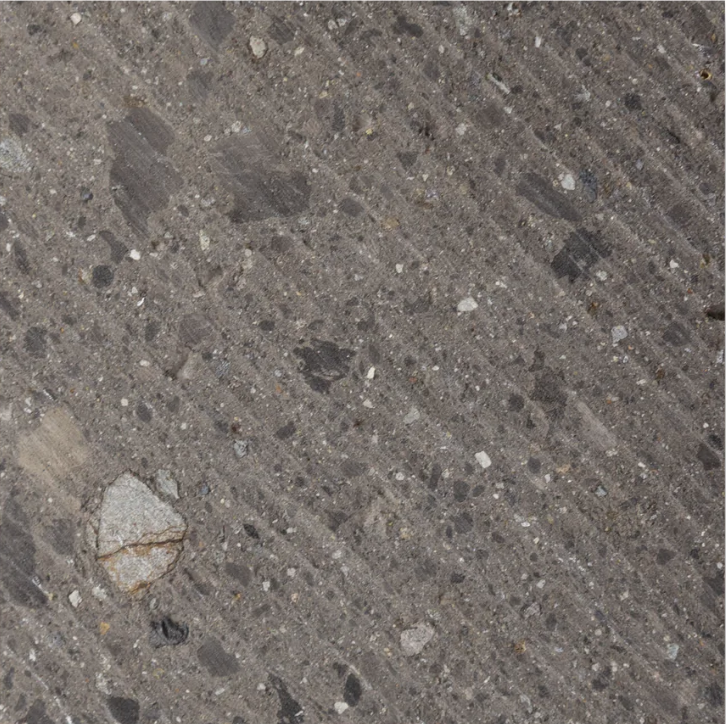
Rather than using placeholder materials, the renderings reflect the actual tile and stone being considered. This allows clients to understand not just the layout of the space, but the emotional experience of it, how it will feel to move through it every day.
This is why we study multiple finish directions before final selections are made.
Design is rarely about choosing the “best” option. It’s about refining until the right one feels inevitable, specific to the client, the architecture, and the way the space is meant to be lived in.


What ultimately feels simple is rarely simple to achieve.
Only for you. Only in this place.